HireQED.ai · Marketing Lead
Built and led marketing across growth, product, and go-to-market.
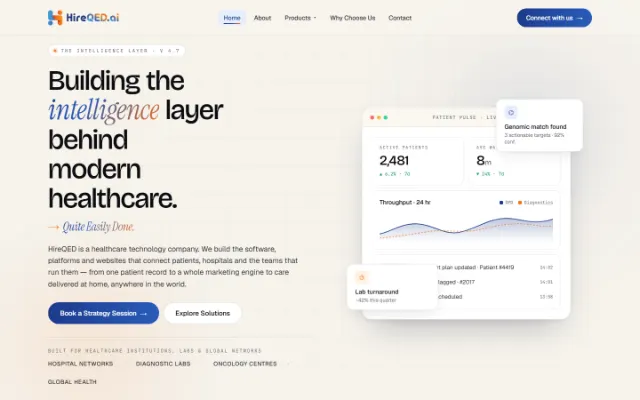
At HireQED.ai, I lead marketing across content, social, campaigns, marketing operations, product enablement, and client engagements, working across marketing, product, and technology to turn business and user needs into measurable outcomes.
- Tenure
- April 2026 to present
- Role
- Marketing Lead, HireQED.ai
- Scope
- Marketing strategy · Growth · Content · Social · GTM · User enablement · Creative production · Marketing operations
Context
HireQED.ai needed marketing to work across two levels: building the company’s own presence while supporting client growth and product initiatives. My role therefore covered everything from acquisition and content to product enablement and go-to-market execution.
Constraint
The challenge was breadth. Different engagements came with different audiences, products, and objectives, while the marketing function also needed to keep its own content, campaigns, and operations moving.
What I did
Growth and acquisition. Built organic acquisition programs across SEO, content, and social, including a client engagement that grew qualified monthly inquiries from zero to 30+.
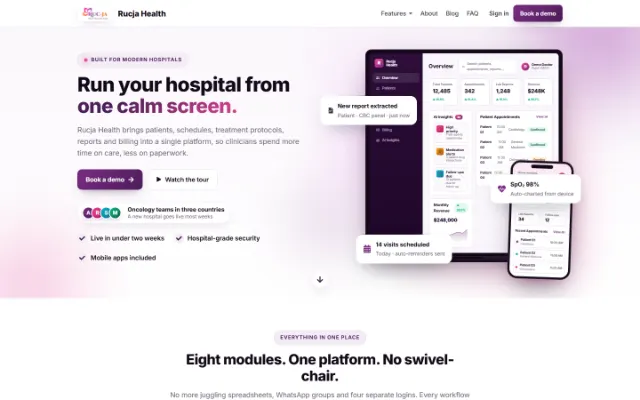
Product and user enablement. Created interactive guides for a customised platform, led walkthroughs with 20+ users, and translated their feedback into clear inputs for the technology team and product improvements.
Go-to-market. Led client product launches from positioning and messaging through content and cross-channel campaigns, aligning marketing execution with product and adoption goals.
Content and creative. Led podcast and video production end to end, from planning and shoots to creative direction, editing, and delivery, and introduced GenAI into content workflows to improve production efficiency.
Outcome
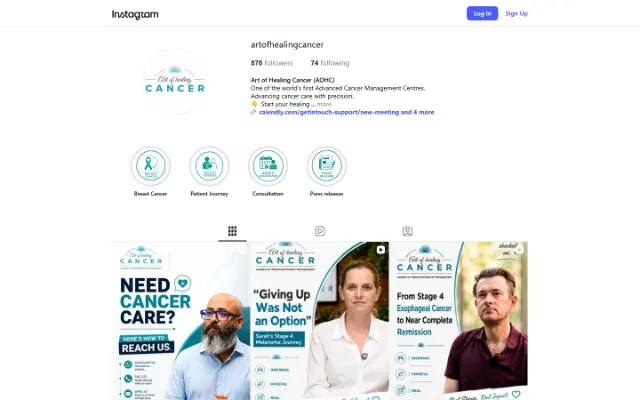
The work resulted in measurable growth across acquisition, audience development, and product adoption: 30+ qualified monthly inquiries, 50% social growth in three months, and 20+ users guided through product enablement. It also gave me hands-on experience taking marketing from strategy and positioning through execution and product feedback.
Read the full case study
When marketing has to solve more than one problem at a time.
At HireQED.ai, I work across different kinds of marketing problems, from generating demand and shaping launches to helping users understand products and improving how the team produces content. The work has taught me to think beyond individual channels and start with the problem that needs to be solved.
The starting point
Marketing at HireQED.ai spans both the company’s own work and client engagements. That meant I was often working with different audiences, products, and objectives at the same time. One project might require building demand from scratch. Another might require making a product easier to understand. Another might need clearer positioning before going to market. My role was to move between these problems while keeping the larger marketing function moving across content, social, campaigns, and operations.
Finding the real problem
I learned quickly that the channel was rarely the starting point. Before deciding what to create or where to distribute it, I needed to understand what was actually getting in the way. Was the audience unaware of the product? Did they lack enough information to take the next step? Was the product difficult to understand? Was the value proposition unclear? Or was the process itself slowing the team down? That distinction shaped how I approached the work.
Turning insight into action
For one client engagement, the problem was building a qualified acquisition pipeline from zero. I focused the organic strategy on the information potential customers were actively looking for, using SEO and content to create a path from discovery to enquiry. The objective wasn’t simply to increase traffic, it was to attract people with a genuine reason to start a conversation. That work grew qualified monthly inquiries to 30+ across the UK and US.
The same problem-first approach looked very different when I worked on product enablement. For a customised platform, I created interactive guides and conducted walkthroughs with 20+ users. Watching people use the product gave me information that a conventional content review couldn’t: where they hesitated, what needed explanation, and where the experience itself could be clearer. I took those observations back to the technology team and translated the feedback into recommendations for product improvements.
For product launches, the question shifted again. I worked through positioning and messaging before translating the product’s capabilities into launch content and cross-channel campaigns. The aim was to create a consistent story from what the product could do to why the audience should care.
Making the work easier to scale
The volume of marketing work also created a different kind of problem: production. I led podcast and video projects end to end, covering shoots, creative execution, post-production, and delivery. Rather than treating production as a separate creative task, I looked at where the workflow could become more efficient. I introduced generative AI into parts of the content process to reduce repetitive work and improve production efficiency without simply adding more manual capacity. That experience reinforced something I value in marketing: good execution isn’t just about producing more. It’s about building a better way to produce the right work.
What I took from it
I don’t want to start with a channel. I want to start with the friction. Once you understand what is preventing a customer from discovering, understanding, trusting, or adopting something, the right combination of strategy, messaging, content, product input, and distribution becomes much easier to determine. That is the kind of marketer I want to keep becoming: strategic enough to identify the real problem, and hands-on enough to build the answer.